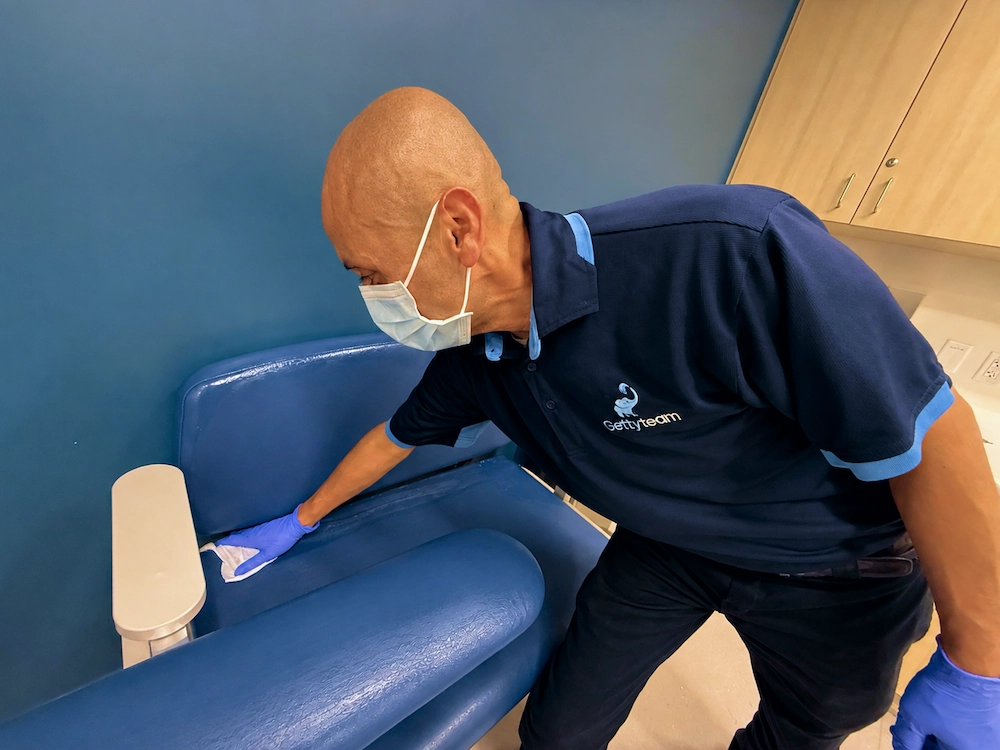
Healthcare Facility Services

Healthcare Cleaning Built Around Patient Safety & Operational Continuity

Healthcare facilities require more than conventional janitorial service. Getty Team develops cleaning programs around patient-facing environments, clinical workflows, infection-prevention priorities, and the day-to-day operating needs of each facility.

From outpatient clinics and medical offices to dental and specialty practices, our approach emphasizes consistent execution, cross-contamination controls, trained personnel, and clear quality verification.

Discuss Your Facility Requirements
Getty Team healthcare facility cleaning services
A Different Operating Environment

Healthcare Cleaning Requires a Different Operating Model

Healthcare facilities bring together patients, clinicians, staff, visitors and shared spaces with different levels of use, sensitivity and exposure risk. Cleaning programs therefore have to account for more than appearance—they must support infection-prevention practices, patient safety, employee safety and the continuity of care.

Rather than applying one uniform cleaning routine throughout a facility, Getty Team considers how each space is used, who occupies it, when cleaning can occur and what risks require greater attention.

01

Patient Safety

Support clean, well-maintained environments for patients, clinicians, staff and visitors.

02

Cross-Contamination Control

Reduce unnecessary transfer of contaminants through defined processes and area-sensitive cleaning practices.

03

Clinical Operations

Align cleaning with patient flow, room availability, staff activity and the daily rhythm of care delivery.

04

Consistency & Verification

Use defined standards and quality checks to help ensure repeatable execution across the facility.

Care Environments

Healthcare Environments We Support

Healthcare facilities vary widely in how patients move through the space, how clinical areas are used, and what cleaning requirements apply. Getty Team adapts cleaning programs to the operating needs of each care environment.
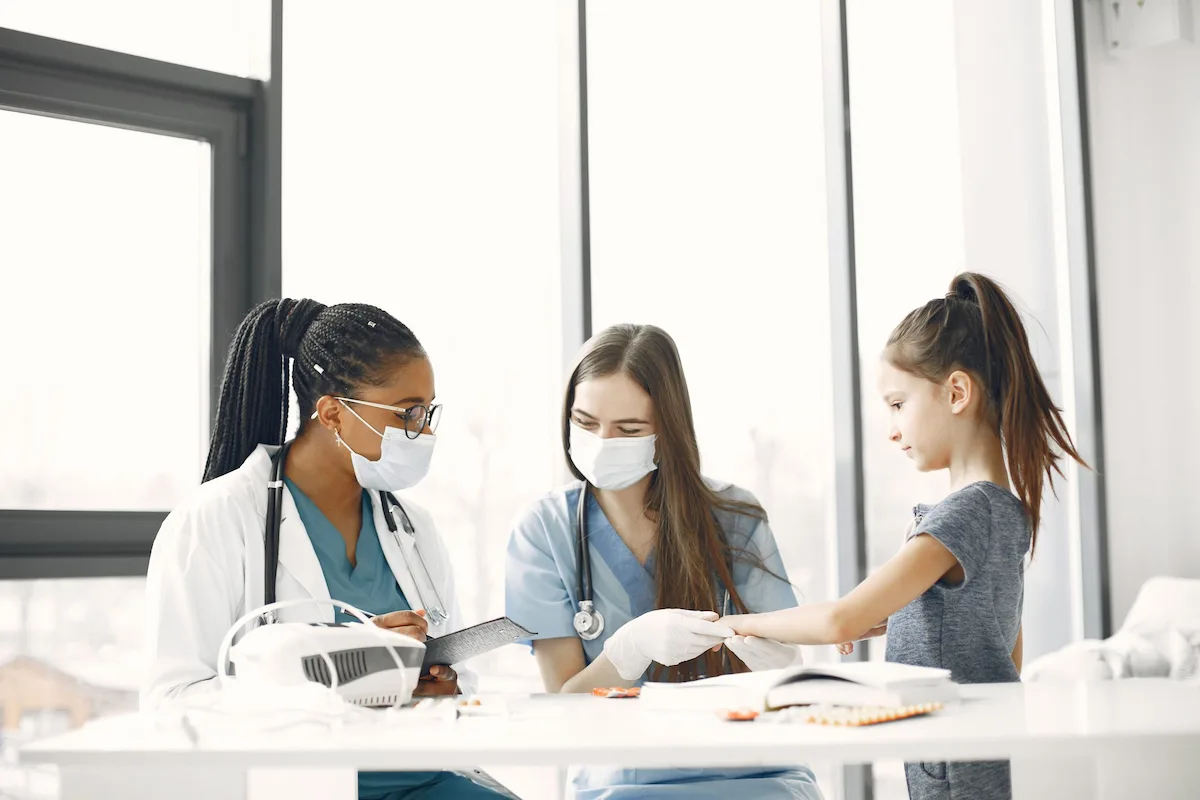
Outpatient and ambulatory healthcare facility environment
01

Outpatient & Ambulatory Facilities

Cleaning programs designed around patient flow, treatment schedules, clinical spaces, waiting areas, and after-hours access.
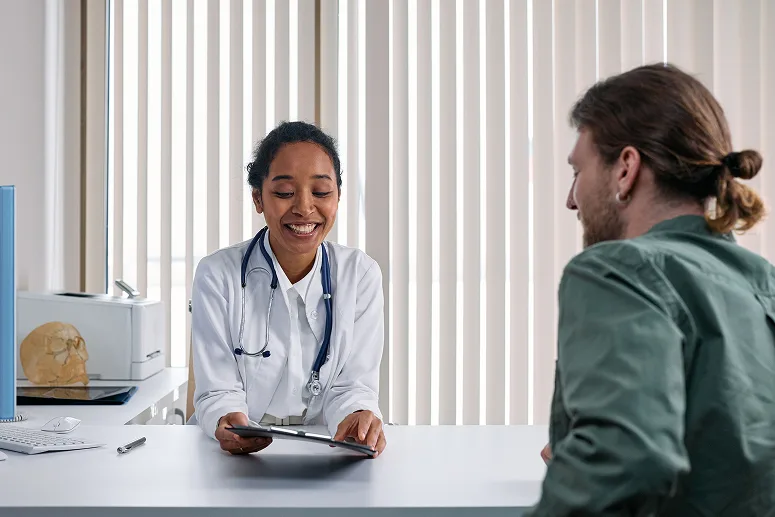
Medical office healthcare environment
02

Medical Offices

Routine janitorial and facility cleaning for physician practices, group medical offices, and other patient-facing healthcare environments.
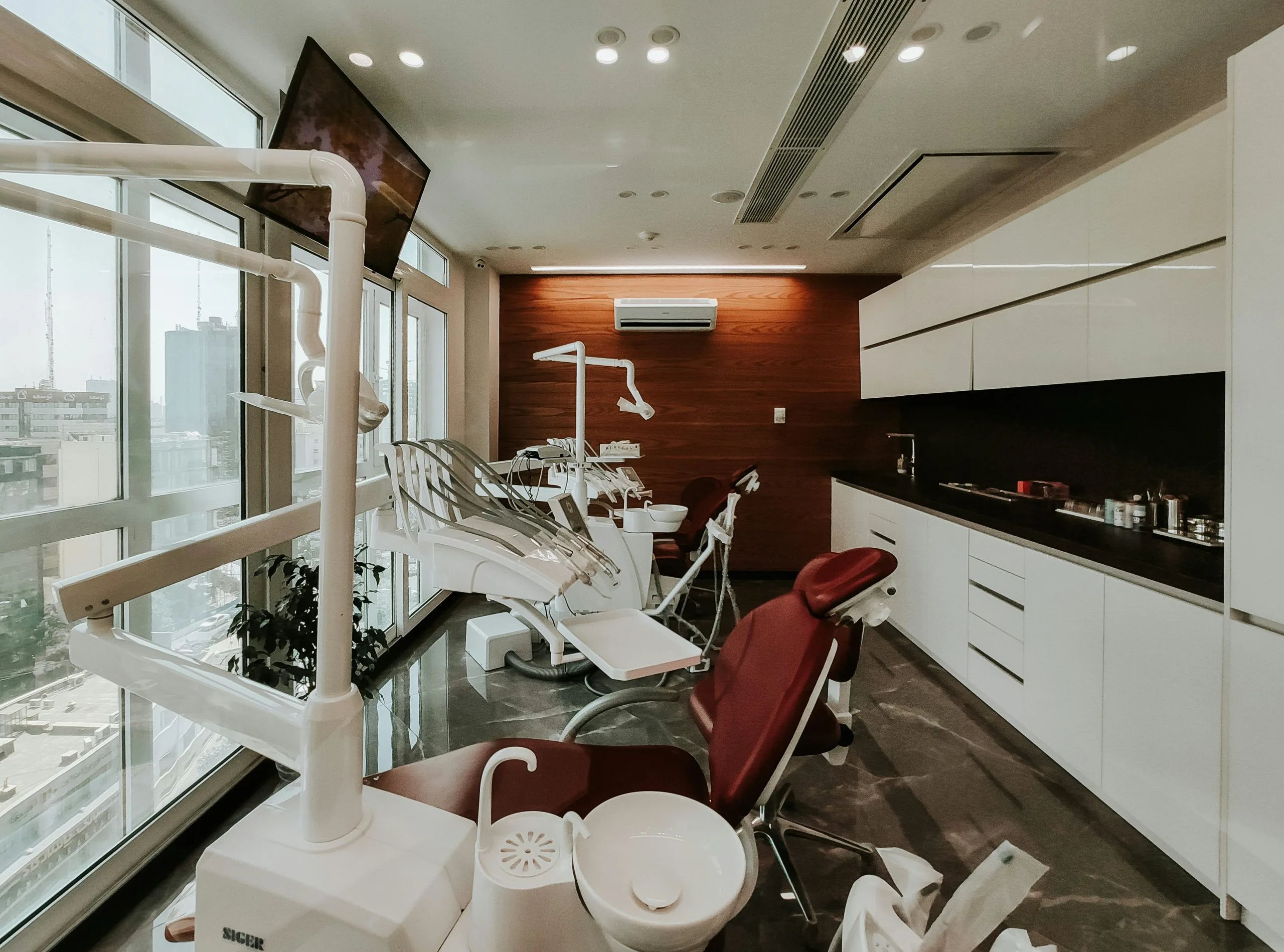
Dental practice treatment environment
03

Dental Practices

Cleaning support for dental offices and specialty dental practices, including patient-facing and general facility areas.
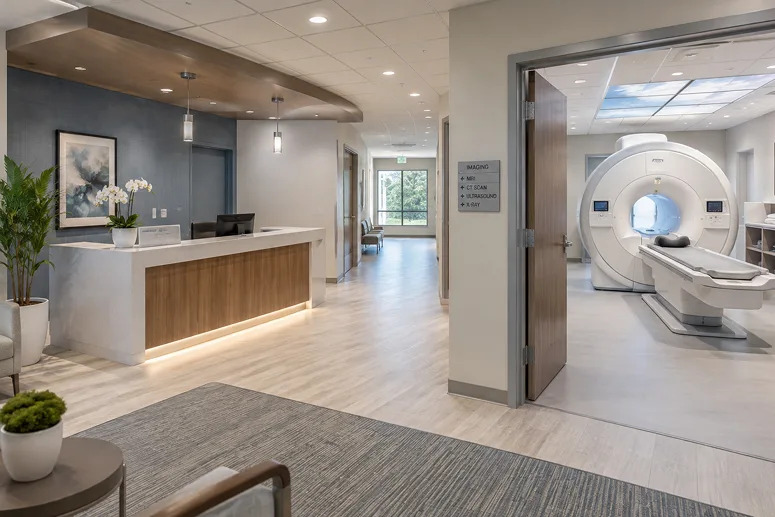
Specialty and diagnostic healthcare clinic
04

Specialty & Diagnostic Clinics

Cleaning programs for specialty practices, imaging centers, diagnostic facilities, and other patient-care environments with unique workflows, equipment, and space requirements.
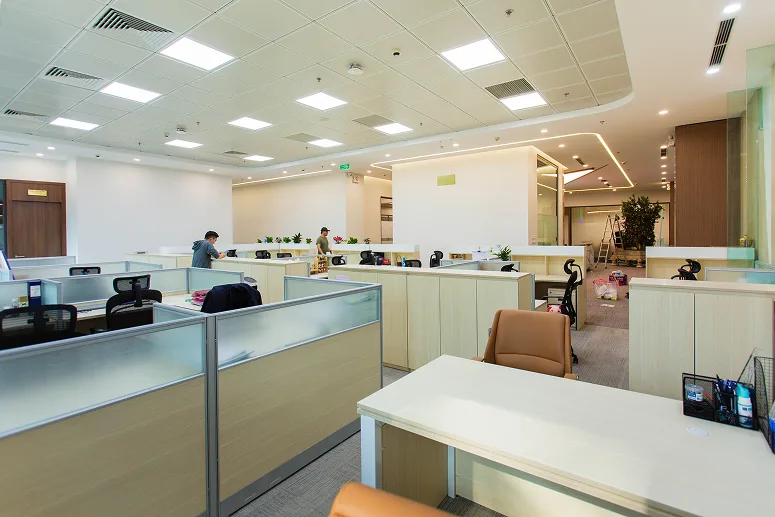
Healthcare administrative office environment
05

Healthcare Administrative Offices

Professional janitorial and facility services for healthcare organizations’ administrative, business, billing, and support-office environments.
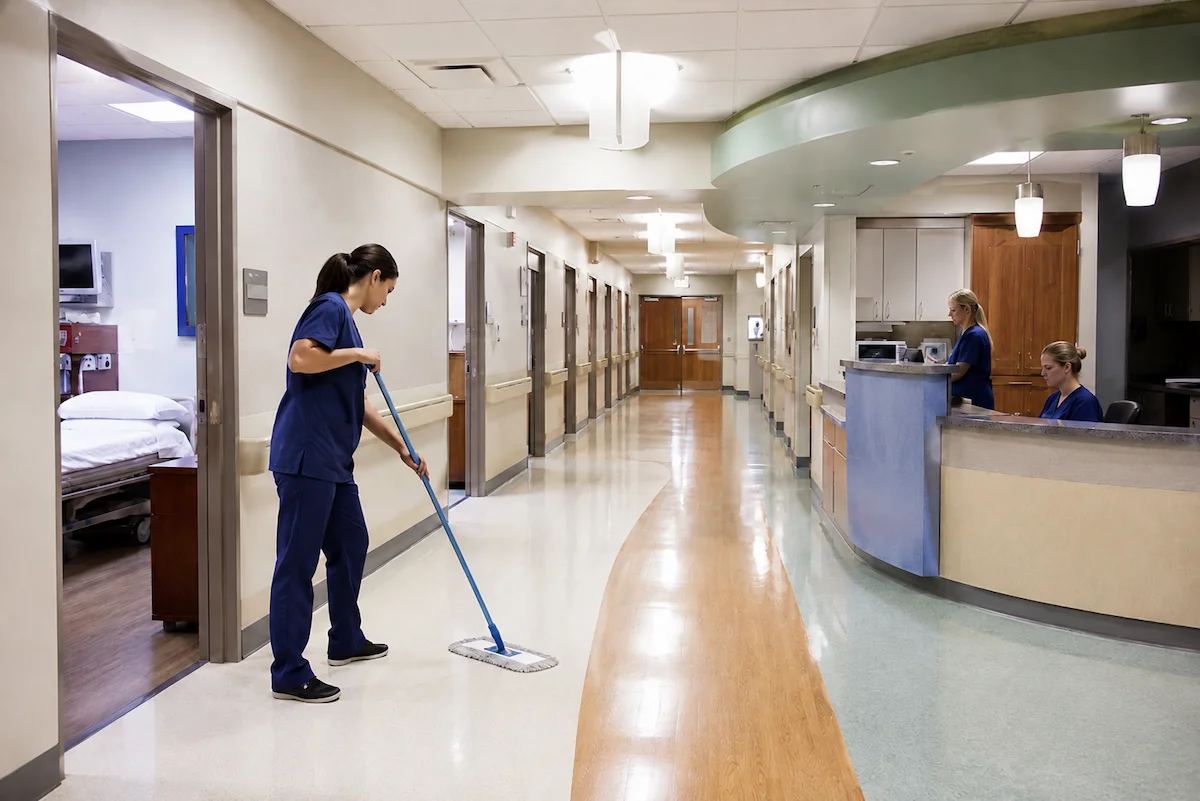
Space-Based Cleaning

Different Spaces Require Different Cleaning Priorities

A healthcare facility is not a single cleaning environment. Exam rooms, waiting areas, administrative offices, restrooms, and staff spaces differ in how they are used, who occupies them, and the level of attention they require. Getty Team structures cleaning programs around those differences.

01

Clinical & Patient Care Areas

Exam and treatment rooms, procedure-adjacent areas, diagnostic spaces, and other patient-care environments require deliberate cleaning sequences, attention to high-touch surfaces, and practices designed to reduce cross-contamination.

Typical Spaces

Exam rooms · Treatment areas · Diagnostic spaces · Procedure-adjacent environments

02

Non-Clinical & Support Areas

Waiting rooms, reception areas, administrative offices, staff spaces, corridors, restrooms, and common areas require their own frequencies and standards—while still contributing to the overall safety and experience of the care environment.

Typical Spaces

Waiting rooms · Reception · Offices · Staff spaces · Corridors · Restrooms · Common areas

Guiding Principle

The objective is not to clean every area the same way—it is to apply the right standard to the right environment.

Infection Prevention

Supporting Infection Prevention Through Disciplined Cleaning Practices

Cleaning is one component of a healthcare facility’s broader infection-prevention strategy. Getty Team structures cleaning processes to help reduce unnecessary cross-contamination, maintain high-touch surfaces, and support the facility-specific protocols established by each healthcare organization.

01

Work From Clean to Dirty

Cleaning sequences should generally progress from cleaner areas toward more contaminated areas to help reduce unnecessary transfer of contaminants.

02

Respect Contact and Dwell Times

Disinfectants must remain visibly wet for the manufacturer-specified contact time to perform as intended.

03

Separate Tools by Area and Use

Microfiber, mops, and other cleaning tools can be assigned by area or application to help reduce cross-use between environments.

04

Prioritize High-Touch Surfaces

Frequently handled surfaces require deliberate attention based on facility use, traffic, and established cleaning protocols.

Cleaning personnel maintaining a healthcare facility during operations
Operational Continuity

Cleaning That Works Around Patient Care

Healthcare facilities do not stop operating so cleaning can happen. Effective service has to account for patient flow, appointment schedules, occupied rooms, staff activity, and facility access without unnecessarily disrupting the care environment.

01

Patient Flow

Cleaning schedules should account for how patients move through waiting areas, exam rooms, corridors, and other shared spaces.

02

Occupied Spaces

Not every area is available at the same time. Cleaning teams need clear procedures for returning later, working around active use, and communicating access limitations.

03

After-Hours Access

Evening and early-morning service can provide access to areas that are difficult to clean thoroughly during appointments or clinical activity.

04

Responsive Requests

Spills, restroom concerns, high-touch areas, and other unexpected facility needs may require attention outside the normal cleaning sequence.

Guiding Principle

The cleaning schedule should adapt to the care environment—not force the care environment to adapt to the cleaning schedule.
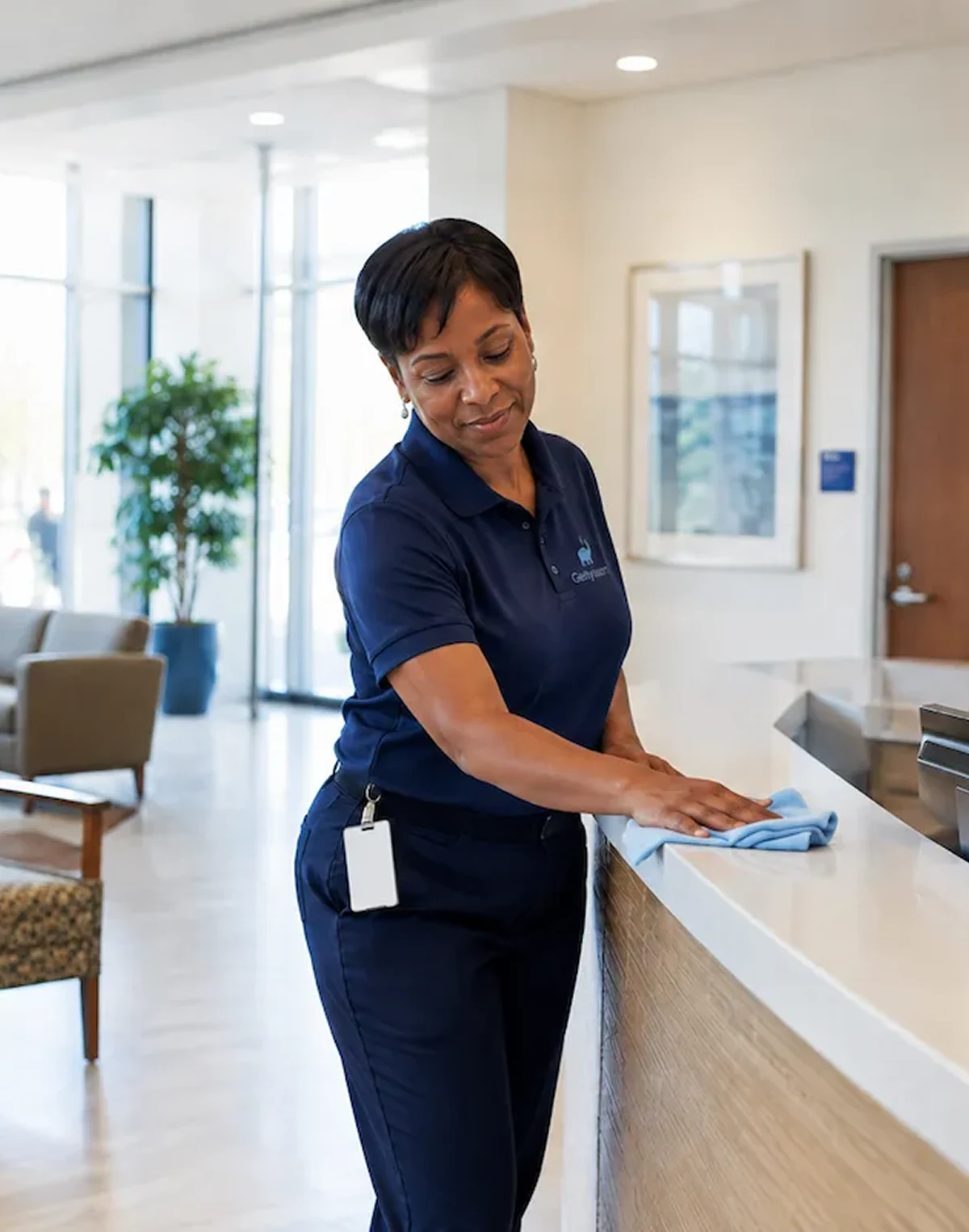
Risk-Based Cleaning

Cleaning Priorities Should Reflect How a Space Is Used

Healthcare cleaning programs should account for how frequently surfaces are touched, who interacts with them, and how the surrounding space is used. Getty Team uses defined cleaning frequencies and facility-specific priorities to direct greater attention toward the surfaces and areas that matter most.

Higher Touch

More Frequent Attention

Door handles, reception counters, chair arms, restroom fixtures, switches, and other frequently handled touchpoints may require greater cleaning frequency.

Routine Touch

Defined Cleaning Frequency

Waiting areas, reception spaces, corridors, shared furnishings, work surfaces, and other regularly used environments follow defined cleaning frequencies.

Lower Touch

Scheduled & Periodic Attention

Walls, ledges, low-contact furnishings, and other general surfaces remain part of the cleaning program while requiring different service intervals.

Guiding Principle

Cleaning frequency should reflect use, exposure, and facility requirements—not simply square footage.

Workforce Safety

Preparing Frontline Teams for Healthcare-Specific Risks

Healthcare environments can expose cleaning personnel to risks that are uncommon in conventional commercial facilities. Getty Team prepares frontline teams to recognize potential hazards, follow established safety procedures, use appropriate protective equipment, and escalate conditions that fall outside the normal cleaning scope.

01

Bloodborne Pathogen Awareness

Personnel working in healthcare environments should understand potential exposure to blood and other potentially infectious materials and follow established procedures when those conditions are encountered.

02

PPE & Safe Work Practices

Gloves and other protective measures should reflect the task, potential exposure, chemical being used, and applicable facility requirements.

03

Hazard Recognition & Escalation

Sharps, unknown substances, damaged containers, and other unusual hazards should be recognized and escalated rather than handled outside established procedures.

04

Facility-Specific Procedures

Access requirements, restricted areas, reporting expectations, chemical protocols, and other site-specific instructions should be incorporated into the cleaning program.

Guiding Principle

A well-designed healthcare cleaning program protects not only the care environment, but also the people responsible for maintaining it.

Quality Assurance

Consistency Requires More Than a Checklist

Defined cleaning standards create the baseline, but quality depends on how consistently those standards are executed, verified, and corrected over time. Getty Team uses structured quality controls to identify exceptions, address deficiencies, and maintain visibility into service performance.

01

Define Standards

Establish scope, cleaning frequencies, priorities, and facility-specific expectations.

02

Execute

Frontline teams perform work against clearly defined cleaning requirements.

03

Verify

Inspections and quality checks help confirm whether established standards are being met.

04

Correct Exceptions

Identified deficiencies are addressed rather than simply documented.

05

Review Trends

Recurring issues can reveal opportunities for training, scheduling, or process improvement.

Guiding Principle

Quality assurance is not the inspection itself—it is the feedback loop between standards, execution, verification, and improvement.

Day porter providing daytime cleaning support in a healthcare facility
Daytime Environmental Support

Supporting the Care Environment Throughout the Day

Patient-facing healthcare environments can generate cleaning needs throughout operating hours. Daytime environmental support helps maintain restrooms, waiting areas, high-touch surfaces, common spaces, and other shared environments while providing a responsive resource for unexpected facility needs.

01

Waiting Areas & Common Spaces

Maintain cleanliness as patient and visitor traffic changes throughout the day.

02

Restroom Upkeep

Monitor cleanliness, supplies, and general conditions between scheduled cleaning periods.

03

High-Touch Surface Attention

Provide additional attention to frequently handled surfaces based on facility requirements and activity levels.

04

Responsive Facility Requests

Address spills, unexpected cleaning needs, consumable replenishment, and other issues requiring timely attention.

Guiding Principle

Daytime support extends the cleaning program from a scheduled service into an active part of facility operations.

Periodic & Specialty Services

Beyond Routine Cleaning: Periodic & Specialty Facility Services

Healthcare facilities also require periodic maintenance and project-based services that fall outside the daily cleaning routine. Getty Team can coordinate these needs as part of a broader facility-services program, helping reduce vendor fragmentation and maintain consistency across the environment.

01

Floor Care

Periodic hard-floor maintenance, scrubbing, refinishing, and restorative work designed around the flooring system and facility requirements.

02

Carpet & Upholstery Care

Scheduled extraction, low-moisture maintenance, spot treatment, and deep cleaning for carpeted and upholstered environments.

03

Window Cleaning

Interior and exterior glass maintenance to support a clean, professional patient-facing environment.

04

Deep & Project Cleaning

Detail cleaning, turnover cleaning, post-project service, and other one-time needs that extend beyond routine janitorial scope.

05

Exterior & Facility Support

Pressure washing and selected ancillary facility services that help maintain the broader property beyond interior cleaning areas.

Guiding Principle

Routine cleaning maintains the environment; periodic services help preserve the facility over time.

Getty Team Healthcare Operating Model

Building the Cleaning Program Around the Care Environment

Effective healthcare cleaning begins with understanding how the facility actually operates. Getty Team translates the care environment, facility requirements, service priorities, and frontline expectations into a structured cleaning program designed for consistent execution over time.

01

Understand the Care Environment

Review facility type, operating hours, patient flow, clinical and non-clinical spaces, access constraints, and existing service challenges.

02

Segment Priorities & Requirements

Identify space types, high-use areas, facility-specific protocols, and environments requiring different frequencies or procedures.

03

Define Standards & Frequencies

Translate facility requirements into a clear scope, schedule, cleaning frequencies, quality expectations, and escalation procedures.

04

Prepare the Frontline Team

Prepare personnel around the site-specific scope, safety requirements, restricted areas, PPE, chemicals, communication expectations, and facility procedures.

05

Verify, Escalate & Improve

Use inspections, issue escalation, corrective action, and trend review to keep the cleaning program aligned with facility needs over time.

Built Around Facility-Specific Requirements

Healthcare organizations may maintain their own operational, safety, access, infection-prevention, and reporting requirements. Getty Team incorporates applicable site-specific expectations into the cleaning program rather than assuming every healthcare facility operates the same way.

Bloodborne pathogen procedures
PPE requirements
SDS and chemical requirements
Restricted or sensitive areas
Background screening or credentialing
Privacy-sensitive environments
Access and security requirements
Facility infection-prevention policies
Incident and exposure reporting procedures
Guiding Principle

The strongest cleaning programs are designed at the intersection of facility requirements, frontline execution, and continuous verification.

Southern California Service Area

Healthcare Facility Services Across Southern California

Getty Team provides healthcare cleaning and facility services throughout Southern California, with a primary focus on Orange County, Los Angeles County, and the Inland Empire. Service programs can be structured for individual healthcare facilities or organizations operating across multiple locations.

01

Orange County

Cleaning and facility support for medical offices, outpatient facilities, dental practices, specialty clinics, diagnostic environments, and healthcare administrative locations throughout Orange County.

Representative Markets

Irvine · Anaheim · Santa Ana · Costa Mesa · Newport Beach · Buena Park

02

Los Angeles County

Healthcare cleaning and facility support for patient-facing, outpatient, specialty, and administrative environments throughout Los Angeles County.

Representative Markets

Los Angeles · Long Beach · Torrance · Carson · Pasadena · South Bay

03

Inland Empire

Healthcare cleaning and facility support across Riverside and San Bernardino counties for organizations requiring dependable service across individual or multiple locations.

Representative Markets

Riverside · Ontario · Rancho Cucamonga · Corona · San Bernardino

Multi-Site Healthcare Organizations

Getty Team can coordinate consistent cleaning requirements across multiple Southern California locations while accounting for the operating needs and facility-specific requirements of each site.

Healthcare Cleaning FAQ

Frequently Asked Questions

Every healthcare environment operates differently. These are some of the most common questions organizations consider when evaluating a healthcare cleaning and facility-services partner.

What types of healthcare facilities does Getty Team serve?

Getty Team focuses primarily on outpatient and non-acute healthcare environments, including medical offices, ambulatory facilities, dental practices, specialty and diagnostic clinics, and healthcare administrative offices.

Can cleaning be scheduled around patient appointments and operating hours?

Yes. Cleaning schedules can be structured around patient flow, appointment schedules, room availability, staff activity, facility access, and other operating requirements. Depending on the environment, service may be performed during operating hours, after hours, or through a combination of both.

How does Getty Team help reduce cross-contamination risk?

Cleaning programs can incorporate defined cleaning sequences, separation of tools by area or application, deliberate attention to high-touch surfaces, appropriate disinfectant contact times, and facility-specific infection-prevention requirements.

Does Getty Team provide daytime environmental support?

Yes. Daytime environmental support can help maintain waiting areas, restrooms, high-touch surfaces, common spaces, consumable supplies, and other areas that may require attention while the healthcare facility remains operational.

Can Getty Team follow facility-specific healthcare requirements?

Yes. The cleaning program can incorporate applicable site-specific requirements related to PPE, chemicals and SDS documentation, restricted areas, access and security, bloodborne pathogen procedures, reporting expectations, and other facility protocols.

Is Getty Team insured for healthcare facility services?

Yes. Getty Team maintains commercial general liability, workers’ compensation and employers’ liability, and hired and non-owned automobile liability coverage applicable to its operations.

Commercial General Liability $2 million per occurrence / $4 million general aggregate
Workers’ Compensation Statutory California workers’ compensation coverage
Employers’ Liability $1 million each accident / disease limits
Certificates & Client Requirements Certificates and applicable client-specific endorsements can be reviewed during contracting.
Does Getty Team provide services beyond routine janitorial cleaning?

Yes. Getty Team can support periodic and project-based facility needs including floor care, carpet and upholstery cleaning, window cleaning, deep cleaning, pressure washing, and selected ancillary facility services.

What areas of Southern California does Getty Team serve?

Getty Team primarily serves healthcare organizations throughout Orange County, Los Angeles County, Riverside County, and San Bernardino County. Service programs can also be structured for organizations operating multiple healthcare locations across Southern California.

Every Facility Is Different

The right cleaning program begins with understanding the facility, its operating requirements, and the standards that matter to the people who use it.

Healthcare Facility Services

Build a Healthcare Cleaning Program Around Your Facility

Every healthcare environment has its own operating schedule, patient flow, facility requirements, and service priorities. Getty Team develops cleaning and facility-service programs around those realities rather than forcing every location into the same standardized scope.

Serving healthcare organizations throughout Orange County, Los Angeles County, Riverside County, and San Bernardino County.

Insured Site-Specific Cleaning Programs Quality Verification Daytime & After-Hours Support