

Sanitation That Keeps Production Moving
Getty Team provides commercial cleaning and sanitation for food production environments—coordinated around operating schedules, facility requirements and the realities of a dynamic production environment.
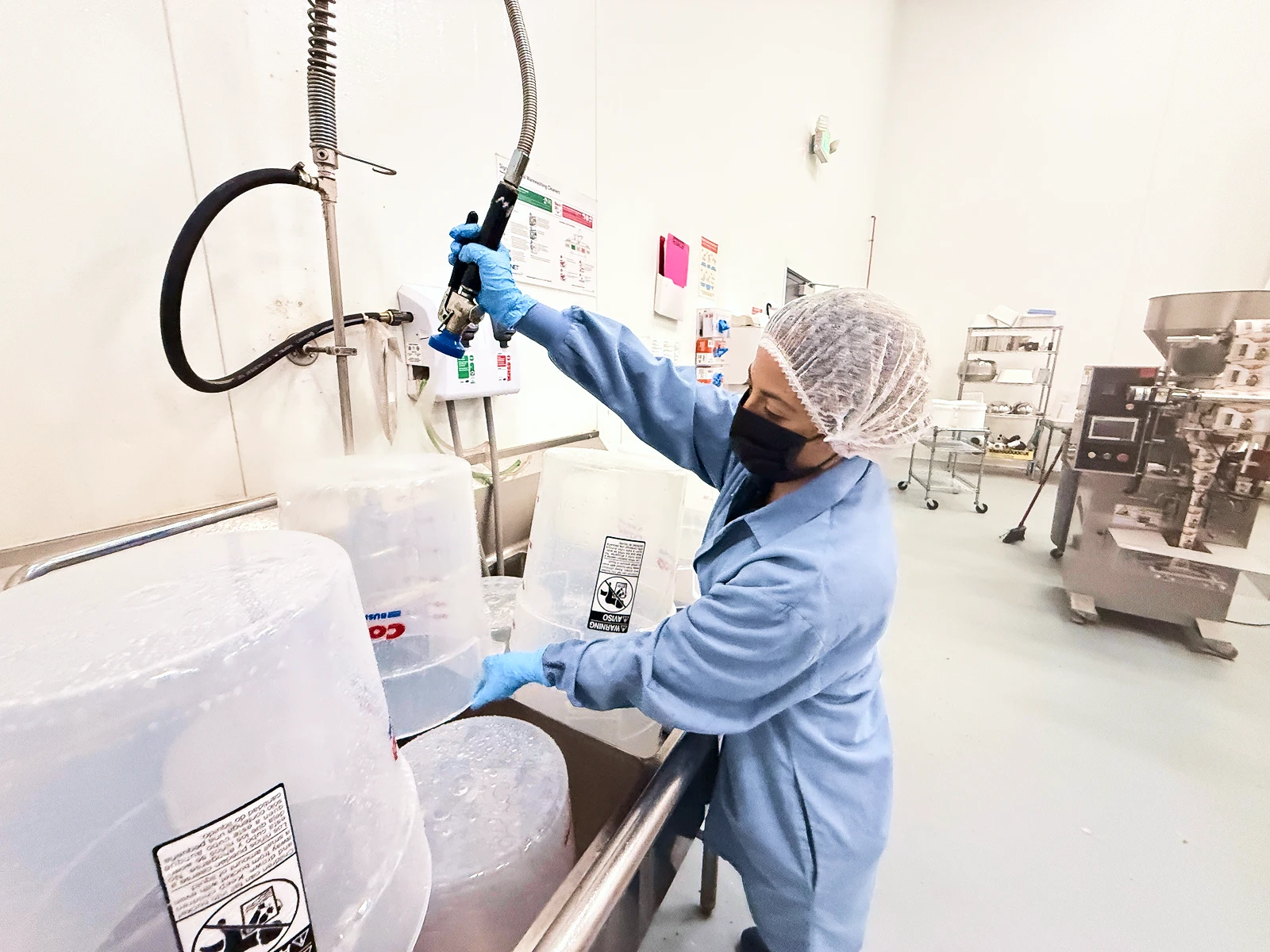
Sanitation Has to Work With the Operation
Food manufacturing facilities operate differently from conventional commercial spaces. Cleaning activities must account for production windows, equipment availability, traffic patterns, sanitation priorities, and the realities of an active plant.
Getty Team builds cleaning programs around those operating conditions—coordinating service so critical areas receive attention without creating unnecessary disruption to the production environment.
Production-Aware Scheduling
Service windows are coordinated around production activity, shutdown periods, changeovers, and facility access so the cleaning program fits the rhythm of the operation.
Clear Sanitation Priorities
High-priority areas and time-sensitive tasks are identified so teams understand what must be completed first when production conditions or available cleaning time change.
Operational Continuity
Cleaning procedures are structured to support a clean, orderly facility while reducing avoidable interference with employees, equipment, workflows, and production readiness.
Different Processes. Different Sanitation Demands.
Food production environments vary widely by product, process, equipment, and operating schedule. Getty Team adapts cleaning programs to the conditions and priorities of each facility.
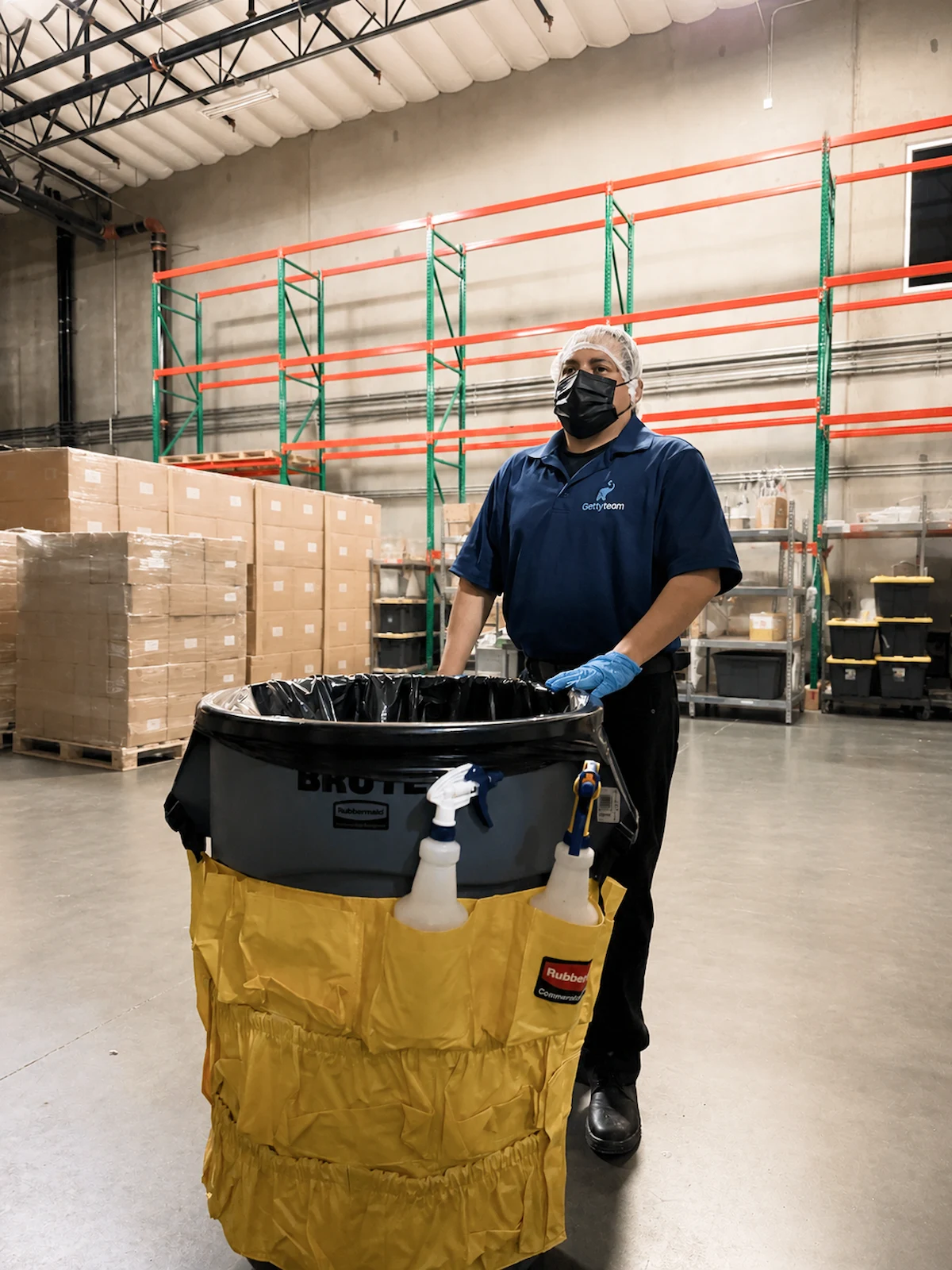
Confectionery & Chocolate
Production environments involving chocolate, coatings, sugars, oils, powders, packaging materials, and equipment areas that require disciplined cleaning priorities.
Beverage & Bottling
Bottling, filling, packaging, and beverage-production environments where floors, production support areas, and surrounding facility spaces experience continuous activity.
Bakery & Prepared Foods
Facilities managing flour, crumbs, oils, ingredients, prepared products, packaging, and high-frequency movement between production and support spaces.
Processing & Packaging
Active processing and packaging operations where cleaning must be coordinated around machinery, conveyors, material flow, production schedules, and employee movement.
Specialty Food Manufacturing
Small and mid-sized manufacturers with specialized production processes, unique equipment configurations, ingredient controls, and changing sanitation requirements.
Warehousing & Support Areas
Ingredient storage, packaging areas, offices, employee spaces, restrooms, corridors, docks, and other supporting environments connected to the production operation.
Scope, frequency, sequencing, and service windows are developed around the actual operating conditions of the facility rather than applying a one-size-fits-all commercial cleaning plan.
From Production Areas to the Spaces That Support Them
Production Area Cleaning
Cleaning of designated production and production-adjacent spaces according to facility-defined procedures, priorities, access requirements, and service windows.
Equipment Exterior Cleaning
Cleaning of approved machine exteriors, frames, accessible surfaces, guards, surrounding areas, and related equipment zones within the defined scope.
Floor & Surface Care
Routine floor cleaning, residue removal, spot cleaning, detailing, and maintenance of appropriate surfaces throughout production and support areas.
Sanitation Support Tasks
Facility-specific sanitation support performed according to defined procedures, documented expectations, approved chemicals, and established sequencing.
Warehouses & Storage Areas
Cleaning of ingredient storage areas, packaging storage, staging zones, aisles, docks, and other warehouse spaces connected to production operations.
Offices & Employee Areas
Janitorial service for offices, break rooms, restrooms, corridors, locker areas, entrances, and other non-production spaces throughout the facility.
Deep Cleaning & Detail Work
Periodic detailing of designated areas, edges, corners, buildup points, overhead surfaces, fixtures, and other locations beyond the routine cleaning cycle.
Production Changeover Support
Cleaning support coordinated around scheduled production changes, shutdown periods, line access, and facility-defined changeover procedures.
Clear Boundaries Matter
Food manufacturing facilities often divide cleaning responsibilities between production employees, sanitation teams, maintenance personnel, and outside service providers. Getty Team defines responsibilities clearly so ownership of each task is understood.
The Program Is Built Around Your Plant
Services are selected based on facility conditions, production processes, access, cleaning procedures, shift schedules, and the responsibilities assigned to Getty Team.
The Most Operationally Important Work Comes First
Production-Critical Areas
Areas or tasks that directly affect production readiness, equipment access, scheduled startup, or the next required operating activity receive the highest priority.
Time-Sensitive Sanitation
Tasks tied to shutdown windows, changeovers, drying time, equipment availability, or restricted access are sequenced while the opportunity to complete them is available.
Facility Hygiene & Safety
Floors, traffic areas, spills, residues, restrooms, employee areas, and other facility conditions are maintained to support an orderly and safe working environment.
Routine & Detail Work
Lower-urgency detailing and recurring housekeeping tasks are completed after production-sensitive responsibilities are secured, helping protect both quality and available labor time.
Priority Should Reflect Consequence
When two cleaning tasks compete for the same limited window, the question is not simply which task is next on a checklist. The stronger decision is which task creates the greater operational consequence if it is delayed.
The Cleaning Window Is Part of the Operating Plan
Production does not always stop at the same time, equipment may become available in stages, and priorities can shift during a shift. Effective sanitation requires coordination with what is actually happening inside the facility.
Understand the Production Plan
Cleaning priorities begin with the expected production schedule, shutdown timing, changeovers, restricted areas, and anticipated equipment access.
Identify What Is Available
Teams work from the areas and equipment that have actually been released for cleaning rather than assuming the entire plant becomes available at once.
Sequence the Critical Work
Time-sensitive and production-critical tasks are addressed first so limited access windows are not consumed by lower-consequence work.
Adjust as Conditions Change
When production runs long, access changes, or new priorities emerge, the cleaning sequence can be adjusted without losing sight of the most important operating outcomes.
Static Checklists Are Not Enough
Checklists establish expectations. The operating environment determines how those expectations should be sequenced and executed during each service window.
When cleaning teams understand what production is doing, what is becoming available, and what must be ready next, labor can be directed toward productive work instead of waiting, backtracking, or cleaning around unfinished operations.
Clear Expectations. Visible Results.
Defined Work Standards
Scope, frequencies, priorities, approved procedures, and responsibilities are established so team members understand what completion should look like.
Verification & Inspection
Completed work can be reviewed against established expectations so missed conditions, recurring issues, and opportunities for improvement become visible.
Corrective Action
When something is missed or operating conditions change, responsibility is identified and the issue can be addressed rather than becoming an accepted recurring condition.
Quality Improves When Feedback Becomes Action
Inspection is most useful when findings lead to a response. Getty Team uses a straightforward operating loop to surface conditions, resolve problems, and improve execution over time.
Perform
Complete assigned work according to the defined scope, priorities, and facility procedures.
Verify
Review conditions and confirm that expected work was completed to the established standard.
Correct
Address deficiencies, clarify ownership, and resolve issues that require immediate follow-up.
Improve
Use recurring findings and operational feedback to refine priorities, procedures, training, or service design.
Records, inspections, and communication should create useful visibility—not paperwork for its own sake. The level of documentation is tailored to the facility, scope, and management requirements.
A Cleaning Partner That Thinks Beyond the Checklist
Food manufacturing requires more than reliable task completion. It requires a service partner that can understand operating priorities, communicate clearly, adapt to changing conditions, and maintain accountability across the cleaning program.
Operations-First Thinking
We look at cleaning in the context of production schedules, access windows, task dependencies, labor constraints, and the operational consequence of work being delayed.
Customized Service Design
Scope, frequency, sequencing, staffing, and documentation are structured around the actual facility rather than forcing the operation into a generic janitorial program.
Clear Communication
Production changes, access limitations, missed conditions, special requests, and emerging priorities are surfaced so facility leadership has visibility into the work.
Accountable Execution
Expectations are defined, work can be verified, and issues are followed through to resolution so recurring problems do not simply become part of the environment.
Cleaning Should Make the Operation Easier to Run
The goal is not simply to complete a list of cleaning tasks. It is to create a dependable service program that supports the facility, gives leadership visibility, and helps production teams return to a clean and ready environment.
Food Manufacturing Cleaning FAQs
Every production facility operates differently. These are some of the most common questions we receive when developing cleaning and sanitation support programs for food manufacturing environments.
Yes. Getty Team can provide cleaning and sanitation support in active food manufacturing and processing environments. Service schedules, access, sequencing, and responsibilities are coordinated around the facility’s production operations and defined scope.
Yes. Food manufacturing programs can be structured around production completion, equipment-release windows, changeovers, overnight schedules, planned shutdowns, and other operating constraints.
Responsibilities are determined facility by facility. Getty Team can perform approved cleaning tasks within the defined scope, including designated equipment exteriors, accessible machine surfaces, surrounding production areas, and other assigned sanitation work. Food-contact or specialized equipment cleaning is only performed when procedures, responsibilities, chemicals, training, and expectations are clearly established.
Yes. Programs can incorporate facility-defined cleaning procedures, approved chemicals, task sequencing, access controls, documentation requirements, and other operating expectations relevant to the work assigned to Getty Team.
Yes. Depending on the facility and scope, Getty Team can incorporate task documentation, inspection processes, issue reporting, corrective follow-up, and other forms of service visibility into the cleaning program.
Yes. A facility program can combine designated production-area sanitation support with routine cleaning of offices, restrooms, break rooms, warehouses, corridors, employee areas, entrances, and other non-production spaces.
We can review your production schedule, existing sanitation responsibilities, service windows, and cleaning expectations before recommending a scope.
Build a Cleaning Program Around the Way Your Plant Actually Operates
Tell us about your production schedule, sanitation responsibilities, facility conditions, and service requirements. Getty Team can help develop a cleaning program designed around the realities of your operation.