

A More Deliberate Approach to Disinfection.
Effective disinfection is more than applying a chemical across a room. Getty Team develops targeted disinfection programs around the surfaces, spaces, operating conditions and risks within your facility.
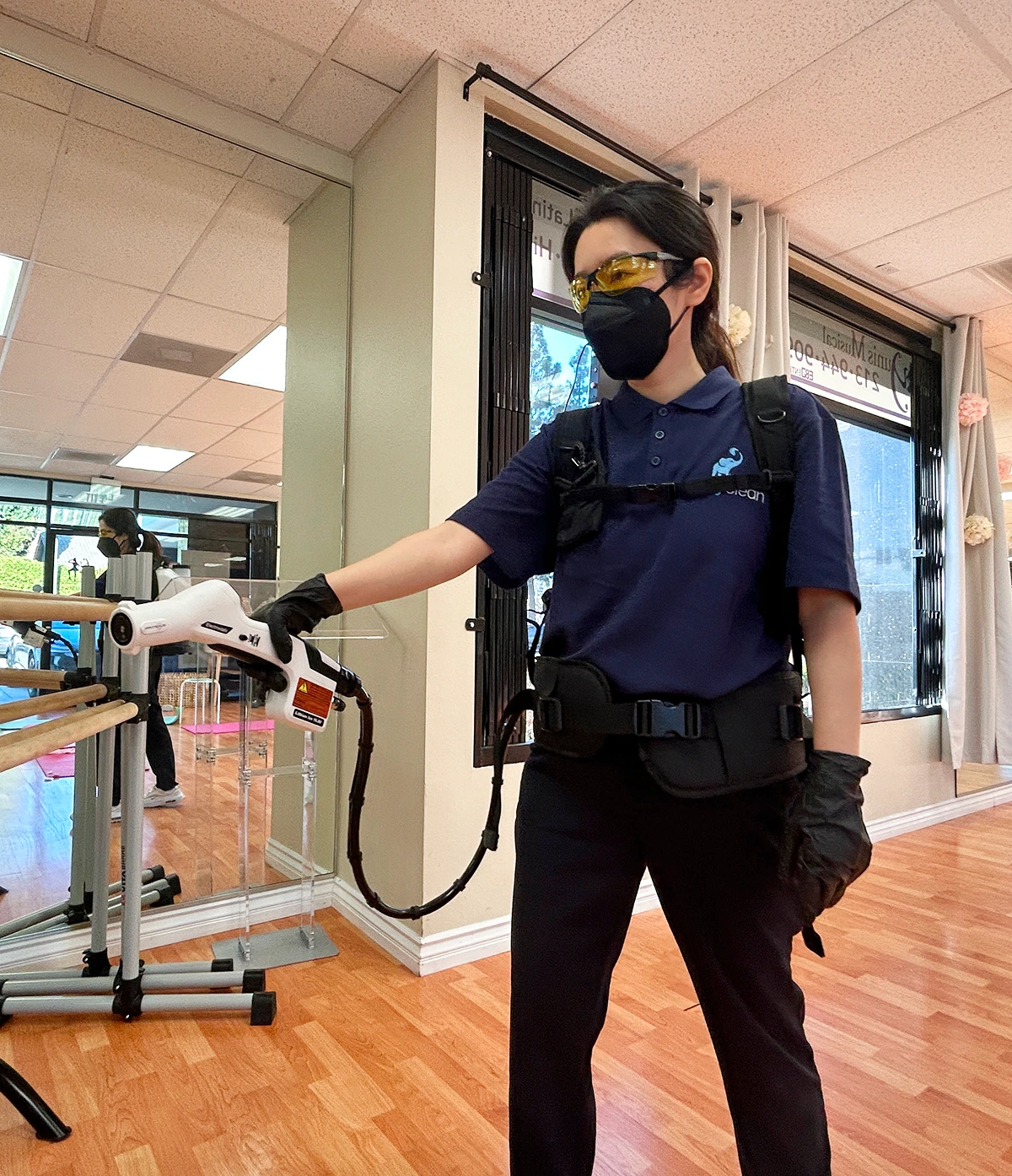
Cleaning, Sanitizing and Disinfecting Aren’t the Same Thing.
Each serves a different purpose. Getty Team evaluates the environment, surfaces and operational needs of your facility to determine where routine cleaning is sufficient—and where a more targeted level of microbial control is appropriate.
Cleaning
Removes soil, residue and organic material from surfaces. Effective cleaning is often the essential first step before sanitizing or disinfecting can perform as intended.
Remove Soil & ContaminationSanitizing
Reduces microorganisms on applicable surfaces to defined levels. Sanitizing may be appropriate for certain routine environments where full disinfection is unnecessary.
Reduce Microbial LoadDisinfecting
Uses an appropriate disinfectant and application process to address specific microorganisms on compatible surfaces, including required product contact times and treatment procedures.
Target Specific MicroorganismsThe objective isn’t to use more chemistry. It’s to use the right process.
Our approach considers what is being treated, why it requires disinfection and how the work can be performed effectively without unnecessarily disrupting the facility.
Focus Disinfection Where It Matters Most.
Not every surface carries the same level of exposure or operational importance. Getty Team prioritizes disinfection around shared touchpoints, higher-risk spaces and the areas most likely to contribute to cross-contact within your facility.
Small surfaces can create outsized exposure.
We build treatment priorities around how people actually move through and use a facility—not simply around the size of the room.
- ✓ Door handles and push plates
- ✓ Light switches and controls
- ✓ Shared workstations and equipment
- ✓ Breakroom and kitchen touchpoints
- ✓ Restroom fixtures and dispensers
- ✓ Reception and common-area surfaces
- ✓ Elevator buttons and railings
- ✓ Frequently handled shared tools
Frequency of Contact
Surfaces touched repeatedly by multiple occupants may warrant greater attention than low-contact areas within the same space.
Facility Risk & Use
Occupancy, traffic patterns, shared equipment and the nature of the facility all influence where enhanced disinfection may be appropriate.
Material Compatibility
The disinfectant and application method should be appropriate for the material being treated to help protect both effectiveness and surface integrity.
Not Every Situation Calls for the Same Response.
Disinfection can support routine facility hygiene, but it becomes particularly valuable when there is a defined reason for enhanced treatment. We help clients determine the appropriate scope based on the environment, exposure and operational circumstances.
Illness or Outbreak Response
When illness has affected a workplace or shared environment, targeted treatment of relevant spaces and high-touch surfaces can become part of the facility’s response plan.
Higher-Risk Environments
Certain facilities, populations and operating environments may benefit from more structured disinfection protocols because of occupancy, shared surfaces or the consequences of cross-contamination.
Planned Enhanced Cleaning
Disinfection can be incorporated into periodic deep cleaning, seasonal programs or other planned facility maintenance when additional microbial control is desired.
Incident-Specific Treatment
A localized contamination concern may call for focused treatment of a specific room, workstation, common area or group of surfaces rather than broad application throughout the entire building.
Unsure what level of treatment your facility actually needs?
We can review the situation with you and help define a practical scope based on the facility, surfaces and reason for treatment.
The Application Method Should Fit the Facility.
Effective disinfection depends on more than the product being used. Surface compatibility, application technique, coverage and required contact time all influence the way a treatment should be performed.
We select the method around the objective—not the other way around.
Getty Team can incorporate multiple application techniques depending on the surfaces being treated, the type of space and the reason for disinfection. The goal is appropriate coverage while respecting the operating environment and product instructions.
-
1
Identify the Treatment Area
Define the rooms, surfaces and touchpoints requiring enhanced treatment before work begins.
-
2
Prepare the Surface
Remove soil or contamination where necessary so the disinfectant can be applied appropriately.
-
3
Apply & Observe Contact Time
Apply the product according to the intended method and maintain the required surface wet time where applicable.
Manual Surface Disinfection
Wiping and direct application can provide controlled treatment of defined high-touch surfaces, fixtures, workstations and shared equipment.
Electrostatic Application
Where appropriate, electrostatic equipment may support efficient application across larger groups of compatible surfaces or difficult-to-reach areas.
Routine + Enhanced Protocols
Disinfection can also be incorporated into an ongoing janitorial program, with enhanced treatment scheduled around defined spaces, events or operating conditions.
Electrostatic application is a capability—not the entire service.
The appropriate method depends on what is being treated, the product instructions, the surfaces involved and the operational needs of the facility.
Different Facilities. Different Risks. Different Priorities.
Disinfection requirements vary significantly by environment. Getty Team adapts the scope, frequency and treatment approach around how each facility operates and how its spaces are actually used.
Commercial Workplaces
Shared workstations, conference rooms, break areas and frequently handled common-space touchpoints.
Explore Workplaces →Healthcare
Patient-facing, administrative and shared environments where process consistency and contamination control carry greater importance.
Explore Healthcare →Education
Classrooms, administrative spaces, common areas and other high-occupancy environments with frequent shared contact.
Explore Education →Food Manufacturing & Processing
Defined production-support spaces, employee areas and facility touchpoints requiring disciplined sanitation and disinfection practices.
Explore Food Manufacturing →Manufacturing
Shared controls, production-adjacent spaces, locker areas, breakrooms and frequently handled equipment touchpoints.
Explore Manufacturing →Logistics & Warehousing
High-traffic employee areas, shared devices, equipment controls and common touchpoints across active warehouse operations.
Explore Logistics →Your environment doesn’t fit neatly into one category?
We can evaluate the facility based on occupancy, workflows, shared surfaces and operating conditions rather than relying on a generic industry template.
Effective Disinfection Depends on the Details.
Choosing a disinfectant is only one part of the process. How the product is prepared, applied and allowed to work—and whether it is appropriate for the surface—can materially affect the outcome.
The label, the surface and the application all matter.
Getty Team approaches disinfection as a defined operating process. Treatment decisions consider the product being used, manufacturer instructions, surface conditions and the practical realities of the facility being serviced.
Consistency, correct use and appropriate treatment are more important than indiscriminate chemical application.
Product Selection
Disinfectants should be selected for the intended application, relevant microorganisms and compatibility with the surfaces being treated.
Contact Time
The treated surface may need to remain visibly wet for a defined period of time for the product to perform according to its instructions.
Surface Compatibility
Materials, finishes and equipment should be considered before treatment to reduce the risk of unnecessary damage or residue.
PPE & Work Practices
Appropriate personal protective equipment, handling practices and technician procedures support safer and more consistent execution.
Defined Scope
Clear treatment zones and priorities help ensure technicians know exactly which surfaces and spaces require enhanced attention.
Documentation
Where appropriate, service requirements, treatment areas and completion expectations can be documented for greater operational visibility.
Disinfection is strongest when it is repeatable.
A defined process helps turn disinfection from a one-time task into a service that can be executed consistently across technicians, shifts and facility locations.
Commercial Disinfection Services Across Greater Los Angeles.
Getty Team supports commercial facilities throughout Los Angeles, Orange County and surrounding Southern California markets with scheduled and situation-specific disinfection services.
Local support for facilities across Southern California.
Whether disinfection is part of an ongoing facility program or a defined response to a specific concern, we coordinate service around the needs and operating schedule of the site.
Communities We Frequently Serve
Our service footprint includes facilities throughout the greater Los Angeles and Orange County region, including:
Service availability may extend beyond the communities listed above depending on facility size, scope and scheduling requirements.
Have a facility outside our primary service area?
Send us the location and scope. We can quickly determine whether the project fits our current coverage.
Commercial Disinfection Services, Explained.
Every facility is different. These are some of the most common questions we hear when clients are evaluating enhanced disinfection services.
Cleaning focuses on removing soil, residue and contamination from surfaces. Disinfecting uses an appropriate disinfectant and defined application process to address specific microorganisms on compatible surfaces. In many situations, cleaning is an important step before disinfection.
Yes. Electrostatic application may be used when it is appropriate for the facility, surfaces and treatment objective. We also provide direct surface disinfection and other application methods rather than relying on a single piece of equipment for every situation.
Yes. Enhanced disinfection can be incorporated into an ongoing janitorial program for selected high-touch surfaces, defined areas, scheduled intervals or specific operating conditions.
Yes. Getty Team can provide situation-specific treatment for a defined room, workstation, common area or broader facility scope, depending on the circumstances and service requirements.
Product selection depends on the intended application, relevant treatment requirements, surface compatibility and manufacturer instructions. Where appropriate, we use EPA-registered disinfectant products suitable for the defined scope.
Timing depends on the size of the treatment area, number and type of surfaces, application method, cleaning requirements and required product contact times. We define the expected scope and service window before work begins.
Have a situation that isn’t covered here?
Tell us what happened, what areas are involved and when the facility needs to be ready.
Disinfection Should Fit the Facility—not a Generic Checklist.
Tell us about your facility, the reason for treatment and the areas involved. Getty Team can help define a practical disinfection scope around your environment, operating schedule and priorities.
Serving commercial facilities throughout Los Angeles, Orange, Riverside and San Bernardino counties.